Insights on the AI control plane. And how to run it.
Architecture, governance, and ROI writing on AgenixCore and the AI control plane, plus practical guides on adopting and operating enterprise AI.
Start with the control plane
Explore AgenixCoreWhat Is an AI Control Plane? Enterprise Architecture for Governed AI
An AI control plane is the operating layer that governs AI usage across people, apps, agents, models, tools, data, cost, and audit trails. This guide explains how it works, how it differs from AI gateways and MLOps, and why enterprises need one before AI adoption becomes difficult to control.
Enterprise AI ArchitectureAI Control Plane vs. LLM Gateway: What's the Difference?
An LLM gateway routes AI traffic. An AI control plane governs enterprise AI operations. Learn where each fits and when you need both.
Enterprise AI ArchitectureControl Plane for AI Agents: A Reference Architecture
A practical reference architecture for running AI agents in production: orchestration, model routing, governance, observability, and human-in-the-loop checkpoints.
Enterprise AI OperationsROI of an AI Control Plane: What Enterprise Teams Should Measure
The ROI of an AI control plane should be measured through operational outcomes, not a single financial figure — cost per workload, routing efficiency, governance consistency, and more.

AI Governance vs. AI Control Plane: What's the Difference?
AI governance is a management framework; an AI control plane is an operational system. Governance defines what should happen; a control plane helps operationalize how.

Provider vs Deployer Under the EU AI Act: Which Are You?
Most companies using AI are deployers, not providers. Learn how to determine your role under the EU AI Act and understand which obligations actually apply.

EU AI Act Transparency Rules for Manufacturing AI Systems
Article 50 transparency obligations arrive in August 2026. Here's what manufacturers using AI should understand—and what they don't need to over-engineer yet.

EU AI Act Logging: Do ChatGPT and Claude Need Audit Logs?
Not every AI deployment needs comprehensive EU AI Act logging. Learn when logging is legally required and what good AI governance looks like.

The Enterprise Guide to the EU AI Act (2026–2028)
A complete enterprise reference on the EU AI Act: the phased timeline, provider vs. deployer, Article 50 transparency, high-risk systems, AI literacy, logging, and a practical governance operating model.

EU AI Act 2026: What Actually Changes in August?
Understand what changes under the EU AI Act in August 2026, what moved to 2027 and 2028, and what deployers and providers should do now.

5 EU AI Act Myths About the August 2026 Deadline
The August 2026 milestone has created widespread confusion. Here are the five biggest myths—and what the EU AI Act actually says.

AgenixCore and the EU AI Act: Governance Features Explained
AgenixCore is not a compliance certification. This explains how its governance capabilities can support organizations implementing EU AI Act Article 50 transparency and operational oversight.

Private AI Infrastructure: Enterprise Architecture for Sensitive Data, RAG, and Model Routing
Private AI infrastructure helps enterprises run AI with stronger control over sensitive data, model access, retrieval, routing, and auditability. Learn architecture options, tradeoffs, and when private AI makes sense.

On-Prem AI Solutions: Architecture, Costs, Security, and When Enterprises Should Use Them
On-prem AI is not just about running models on local servers. For enterprises, it is a deployment decision involving data sensitivity, latency, cost, governance, RAG design, model routing, and ongoing operations.

LLM Model Routing Strategy for Enterprise AI
LLM model routing helps enterprises send each AI request to the right model based on workload complexity, cost, latency, privacy, quality, and governance needs. This guide explains routing patterns, architecture, metrics, risks, and how AgenixCore helps teams operate routing as part of a governed enterprise AI layer.
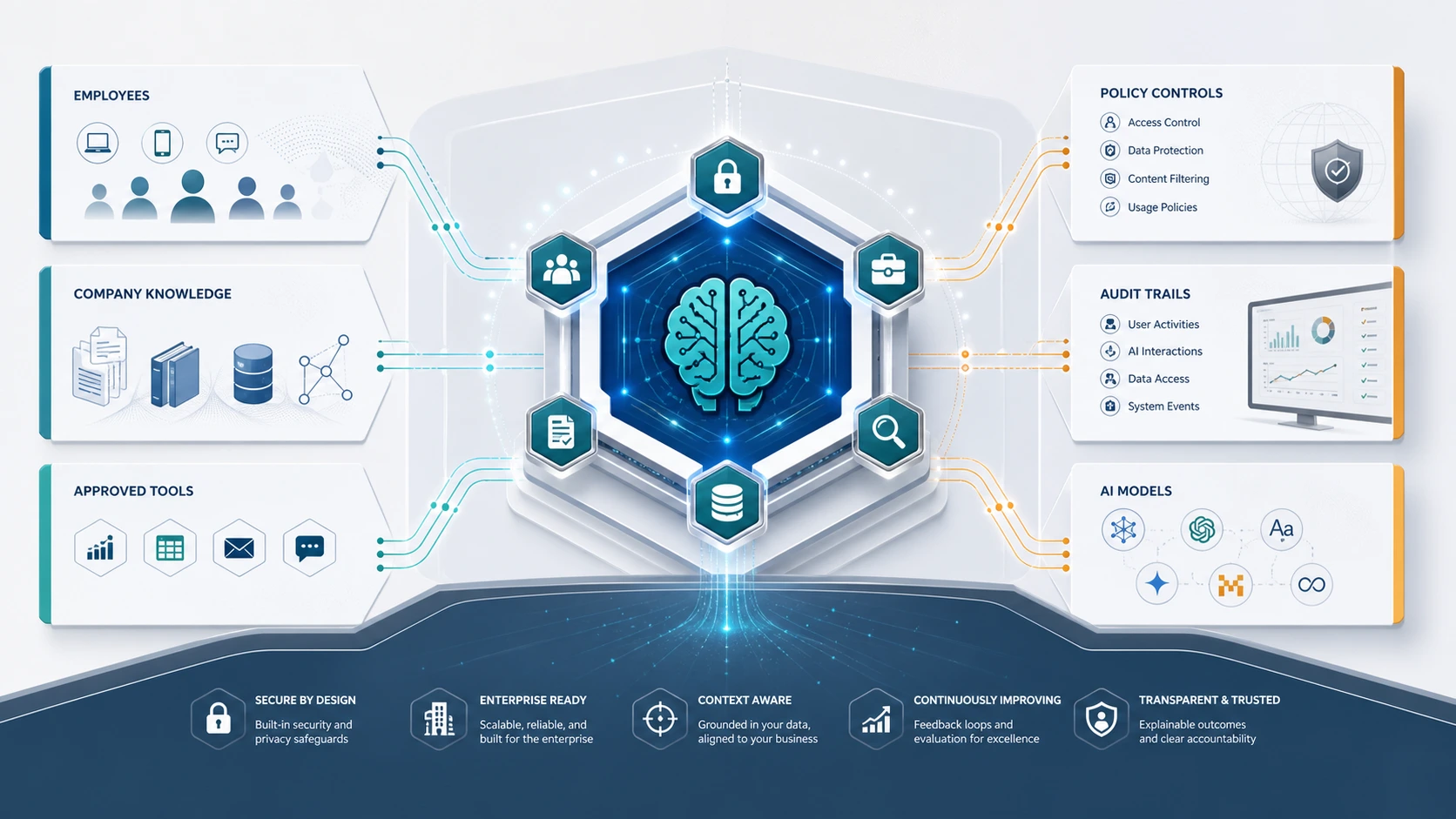
Enterprise AI Copilot Architecture: Secure Design Guide
An enterprise AI copilot is not just a chatbot connected to company data. It needs secure context, identity-aware access, model routing, tool permissions, human review, cost controls, observability, and audit-ready governance. This guide explains the architecture required to build and operate one safely.

Azure OpenAI Alternatives for Enterprise AI: How to Compare Models, Platforms, and Operating Layers
Compare Azure OpenAI Service alternatives across OpenAI API, Microsoft Foundry, Amazon Bedrock, Google Vertex AI, Claude, and private model paths, then map them to workload routing and operating-layer strategy.

AI Chatbot ROI: How to Calculate Customer Support Cost Savings

Enterprise RAG Implementation Guide: Architecture, Security, and Operations

Custom AI vs Off-the-Shelf AI: Build, Buy, or Operate?

Enterprise AI ROI Calculation: How to Measure and Fix the AI Implementation Gap

Enterprise AI Platform Strategy: How to Choose the Right Platform, Model, and Operating Layer
On-Premises vs Cloud AI for Healthcare: Security, HIPAA, Cost, and Architecture
Healthcare AI deployment is not a simple on-premises vs cloud decision. The right model depends on PHI sensitivity, latency, compliance scope, model choice, RAG design, governance maturity, and whether teams can continuously monitor cost, quality, privacy, and risk.
FDA AI Medical Device Regulations: 510(k), De Novo, PMA, PCCP, and Lifecycle Controls
FDA oversight for AI-enabled medical devices is moving from one-time clearance toward lifecycle evidence, change control, cybersecurity, transparency, and post-market performance monitoring. This guide explains the regulatory pathways and the AI operating controls manufacturers and healthcare buyers should understand.
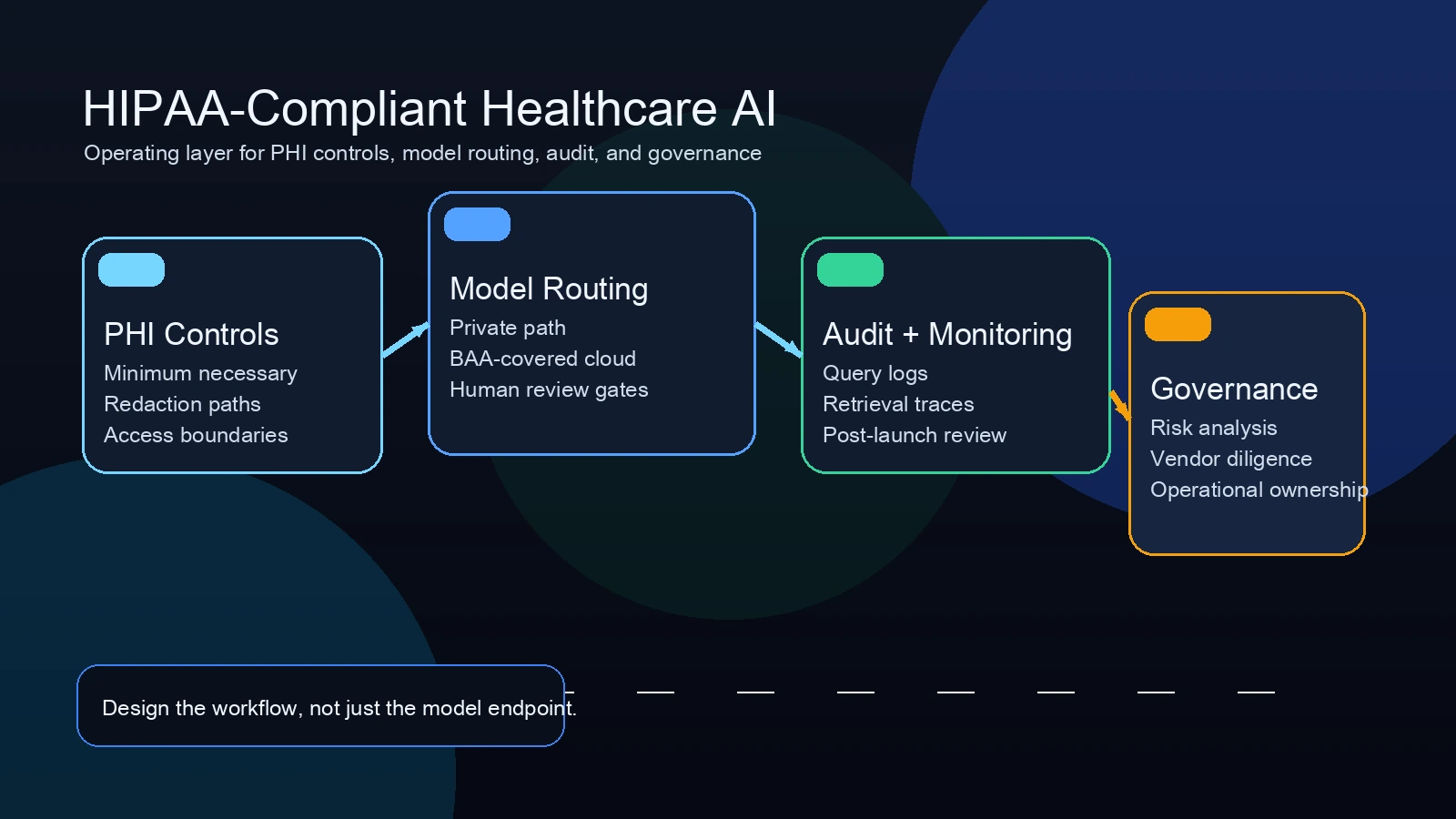
HIPAA-Compliant AI in Healthcare: PHI, LLMs, RAG, and Governance
HIPAA-compliant AI is not just a secure model or a signed BAA. Healthcare teams need workload classification, PHI controls, secure context, model routing, audit logs, human review, and continuous AI operations.
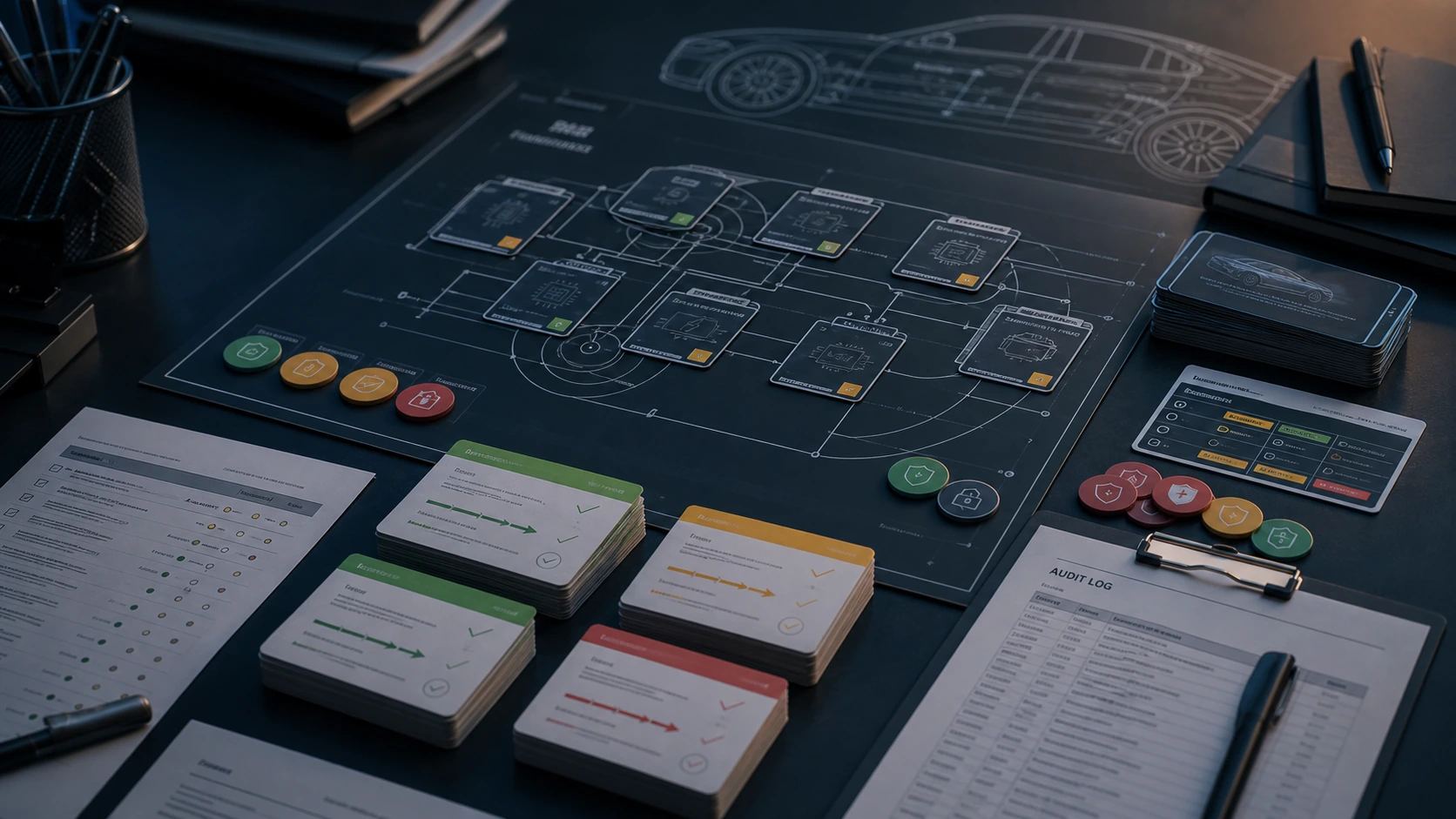
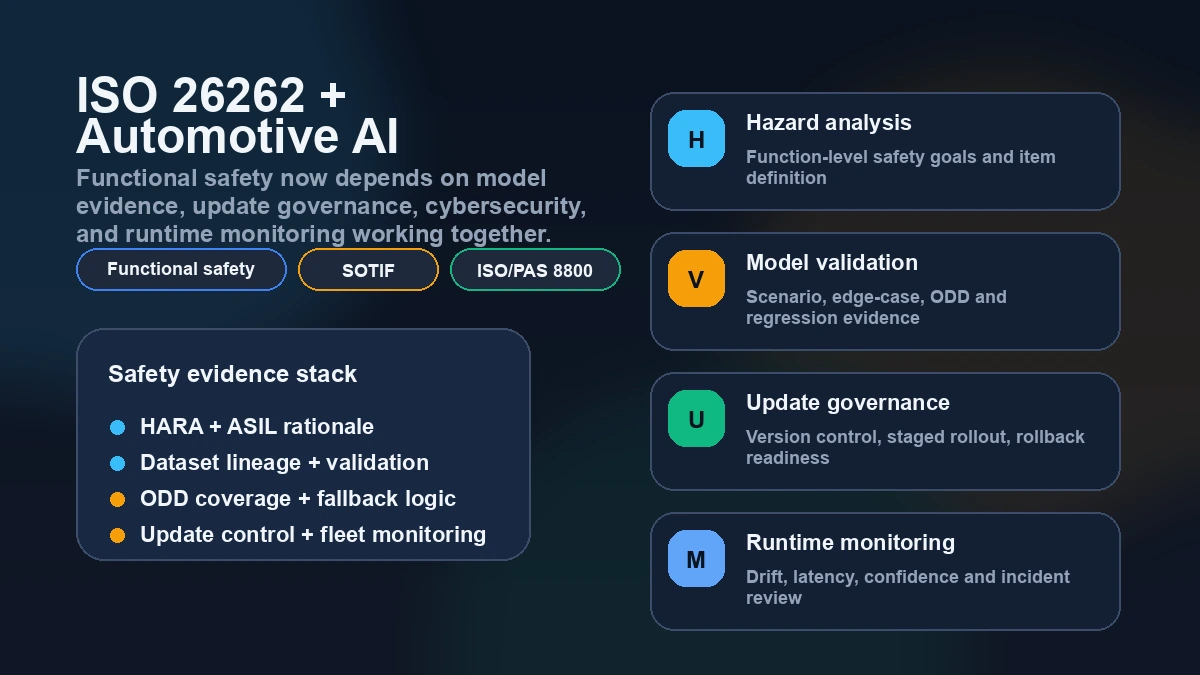
UNECE WP.29 Automotive AI Regulations: R155, R156, CSMS, SUMS, and AI Governance