
The EU AI Act has entered another important implementation milestone—but much of the online discussion about August 2026 is inaccurate.
Some articles claim everything has been delayed until 2027.
Others suggest nothing changes in August 2026.
Neither is correct.
This guide explains what actually changes on 2 August 2026, what was postponed by the Digital Omnibus political agreement, and what organizations using AI should do next.
Quick answer
Not everything moved to 2027. While many obligations for providers of high-risk AI systems were postponed until 2 December 2027 (and some embedded-product obligations until 2 August 2028), several important parts of the EU AI Act still become fully applicable from 2 August 2026, including transparency obligations under Article 50, operational enforcement, AI regulatory sandboxes, and national supervisory arrangements. Organizations using AI should understand which rules apply to their specific role and use case rather than assuming the entire regulation was delayed.
EU AI Act timeline
| Date | What happens |
|---|---|
| 1 August 2024 | EU AI Act entered into force |
| 2 February 2025 | Prohibited AI practices become applicable. AI literacy requirement begins. |
| 2 August 2025 | GPAI provider obligations and penalty provisions become applicable. |
| 2 August 2026 | Article 50 transparency obligations apply. Enforcement structures become operational. AI sandboxes and national supervision become active. |
| 2 December 2027 | High-risk Annex III provider obligations apply following the Digital Omnibus political agreement. |
| 2 August 2028 | High-risk obligations for Annex I embedded-product systems apply. |
Why is everyone confused?
The confusion largely comes from the Digital Omnibus political agreement announced in May 2026.
Many summaries simplified the announcement to: "The EU AI Act has been delayed." That isn't what happened.
The political agreement specifically postponed implementation of certain high-risk provider obligations, including areas such as risk management, conformity assessment, logging, human oversight, and technical documentation. These postponements affect providers of qualifying high-risk AI systems—not every organization using AI.
Meanwhile, several other parts of the AI Act continue exactly as planned. Understanding that distinction is the key to understanding August 2026.
What still changes on 2 August 2026?
Despite the postponements, August 2026 remains an important milestone.
1. Transparency obligations
Article 50 transparency requirements remain applicable from 2 August 2026. These include transparency obligations around AI systems interacting directly with humans, certain AI-generated public-interest content, and deepfake labeling requirements. These requirements were not postponed.
2. Enforcement becomes operational
August 2026 is also when enforcement mechanisms become substantially operational. National supervisory authorities and governance structures move from preparation toward implementation. For organizations operating in Europe, this means compliance expectations become much more practical rather than theoretical.
3. AI regulatory sandboxes
The Act also continues supporting regulatory sandboxes that help organizations develop and evaluate AI systems within supervised environments. These remain part of the implementation timeline.
4. National supervision
Member States continue implementing national supervisory structures, creating the governance framework needed to oversee compliance as additional obligations come into force over the coming years.
What actually moved?
The Digital Omnibus agreement postpones specific obligations relating to high-risk AI providers, including requirements around risk management, conformity assessment, technical documentation, logging, human oversight, and quality management.
These obligations now apply from 2 December 2027 for Annex III high-risk systems. Certain embedded-product high-risk obligations under Annex I move further to 2 August 2028.
Importantly, this is not a blanket postponement of the AI Act.
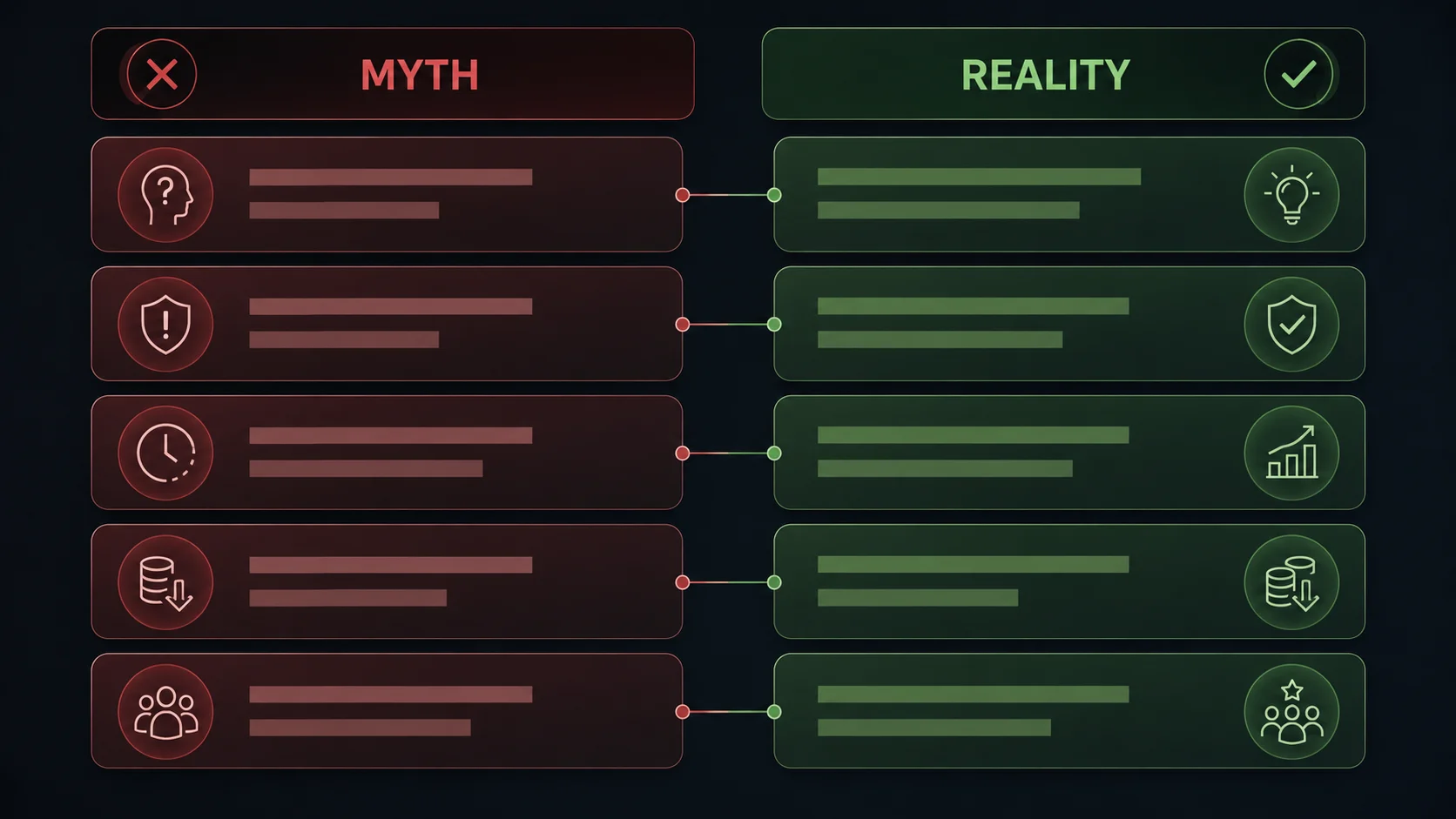
Myth vs. reality
| Myth | Reality |
|---|---|
| Everything moved to 2027 | Only specific high-risk provider obligations were postponed. |
| Nothing changes in August 2026 | Transparency obligations, enforcement, sandboxes, and supervision still become applicable. |
| Every ChatGPT user becomes an AI provider | Most organizations remain deployers when using third-party AI. |
| Every AI system requires comprehensive AI Act logs | Logging obligations are linked to qualifying high-risk systems rather than every AI deployment. |
| Every AI agent is automatically high risk | Risk depends on the use case—not whether the software is called an "AI agent." |
What this means if you're a deployer
Many organizations use AI through services such as ChatGPT, Claude, Gemini, or internally developed assistants built on those models. In many cases, these organizations are deployers, not providers.
That distinction matters. Simply using an LLM does not automatically place an organization under the full high-risk provider regime. Whether additional obligations apply depends on how AI is being used and whether the use case falls within the relevant high-risk categories defined by the AI Act, including certain systems used in hiring, credit assessment, healthcare, education, law enforcement, migration, and critical infrastructure.
Organizations should therefore begin by understanding their role before determining which obligations apply.
Related reading: Am I a Provider or a Deployer Under the EU AI Act?
Practical questions every organization should ask
Instead of asking "Did the deadline move?", ask:
What role do we have? Provider, deployer, or both?
Which AI systems do we actually use? Internal copilots, customer-facing assistants, document automation, decision-support systems?
Are transparency obligations relevant? Do users interact directly with AI? Does the organization generate synthetic public-interest content?
Are any of our use cases considered high risk? The answer depends on the business function—not the underlying language model.
Why governance still matters
Even where organizations are not immediately subject to postponed high-risk provider obligations, governance remains important. Enterprise AI deployments often involve multiple models, business teams, sensitive data, retrieval systems, and human review processes. Maintaining visibility into AI usage, access controls, model selection, and operational policies can help organizations prepare for evolving regulatory expectations while improving consistency across AI initiatives.
As AgenixHub is an enterprise AI implementation and operations company. Its flagship product, AgenixCore, is an AI control plane for private, governed, cost-efficient enterprise AI, governance becomes part of day-to-day AI operations rather than a one-time compliance exercise.
FAQ
Did the EU AI Act get delayed?
No. Specific high-risk provider obligations were postponed, but several important provisions—including Article 50 transparency obligations—continue from 2 August 2026.
What changed on 2 August 2026?
Transparency obligations, enforcement structures, AI sandboxes, and national supervisory arrangements become applicable according to the implementation timeline.
Does using ChatGPT make my company an AI provider?
Usually not. Most organizations using third-party AI models are deployers rather than providers, although obligations depend on the specific deployment.
Do all companies need AI Act logging?
No. Comprehensive logging obligations are associated with qualifying high-risk AI systems rather than every AI deployment.
Is every AI agent considered high risk?
No. High-risk classification depends on the use case defined under the AI Act, not whether software is described as an AI agent.
Conclusion
August 2026 is neither the beginning of the EU AI Act nor a pause in its implementation. Some important obligations continue exactly as planned, while selected high-risk provider requirements have been postponed to later milestones.
For most enterprises, the priority is understanding their role, identifying where transparency obligations may apply, and building governance processes that can evolve as additional requirements come into force. Organizations that establish visibility into AI usage today are generally better positioned to adapt as the regulatory landscape matures.
How AgenixHub helps
Many organizations already have dozens of AI tools, copilots, and internal assistants in production. The challenge is less about adopting AI and more about operating it consistently across privacy, governance, cost, quality, and oversight.
AgenixHub helps enterprises assess AI workloads, establish governance practices, and operationalize AI responsibly. Where appropriate, AgenixCore provides an enterprise control plane to improve visibility, policy enforcement, and operational management across AI deployments.
Continue reading this cluster:
- Am I a Provider or a Deployer Under the EU AI Act?
- Do You Need EU AI Act Logging for Your ChatGPT or Claude Deployment?
- 5 Things Companies Get Wrong About the EU AI Act's August 2026 Deadline
- EU AI Act Transparency Rules for Manufacturing AI Systems
- AgenixCore and the EU AI Act: Governance Features Mapped to Article 50
- The Enterprise Guide to the EU AI Act (2026–2028)