
A common misconception about the EU AI Act is that every company using ChatGPT, Claude, Gemini, or an internal AI assistant must keep detailed audit logs to comply with the law.
That isn't correct.
The EU AI Act does not impose comprehensive logging requirements on every organization using a large language model. Those obligations are tied to qualifying high-risk AI systems, not to every AI deployment.
That said, many organizations should still implement AI logging—not because the law always requires it, but because it is good operational governance.
Quick answer
No—most organizations using ChatGPT, Claude, Gemini, or similar third-party AI tools do not automatically need comprehensive AI Act logging simply because they use an LLM. Comprehensive logging obligations are associated with qualifying high-risk AI systems. However, maintaining appropriate operational logs is often a sensible governance practice for enterprise AI, particularly where AI influences business decisions or customer outcomes.
Where does the confusion come from?
Many compliance summaries describe the documentation and logging requirements that apply to high-risk AI systems. Those summaries are accurate—but they're often taken out of context.
Readers then assume: "If we're using ChatGPT, we must have AI Act audit logs." For most organizations, that conclusion is too broad.
The AI Act distinguishes between different roles, different AI systems, and different use cases. Comprehensive logging obligations are not a blanket requirement for every AI deployment.
When does the AI Act require logging?
The AI Act links comprehensive logging obligations to qualifying high-risk AI systems. These requirements form part of the broader obligations associated with high-risk systems, alongside measures such as risk management, human oversight, and conformity assessment.
Simply deploying a general-purpose AI model does not automatically place an organization within that regime. Whether those obligations apply depends on the specific AI use case and whether it falls within the relevant high-risk categories defined by the regulation.
What if you're using ChatGPT or Claude?
Many enterprises now use AI for tasks such as drafting emails, summarizing documents, coding assistance, internal knowledge search, meeting notes, productivity assistants, and customer support. In many cases, these organizations are deployers using third-party AI services rather than providers of high-risk AI systems.
That does not automatically trigger comprehensive AI Act logging requirements. This is one reason it's important to understand your role under the AI Act before designing compliance processes. See Am I a Provider or a Deployer Under the EU AI Act? for the full breakdown.
Legal requirements vs. good governance
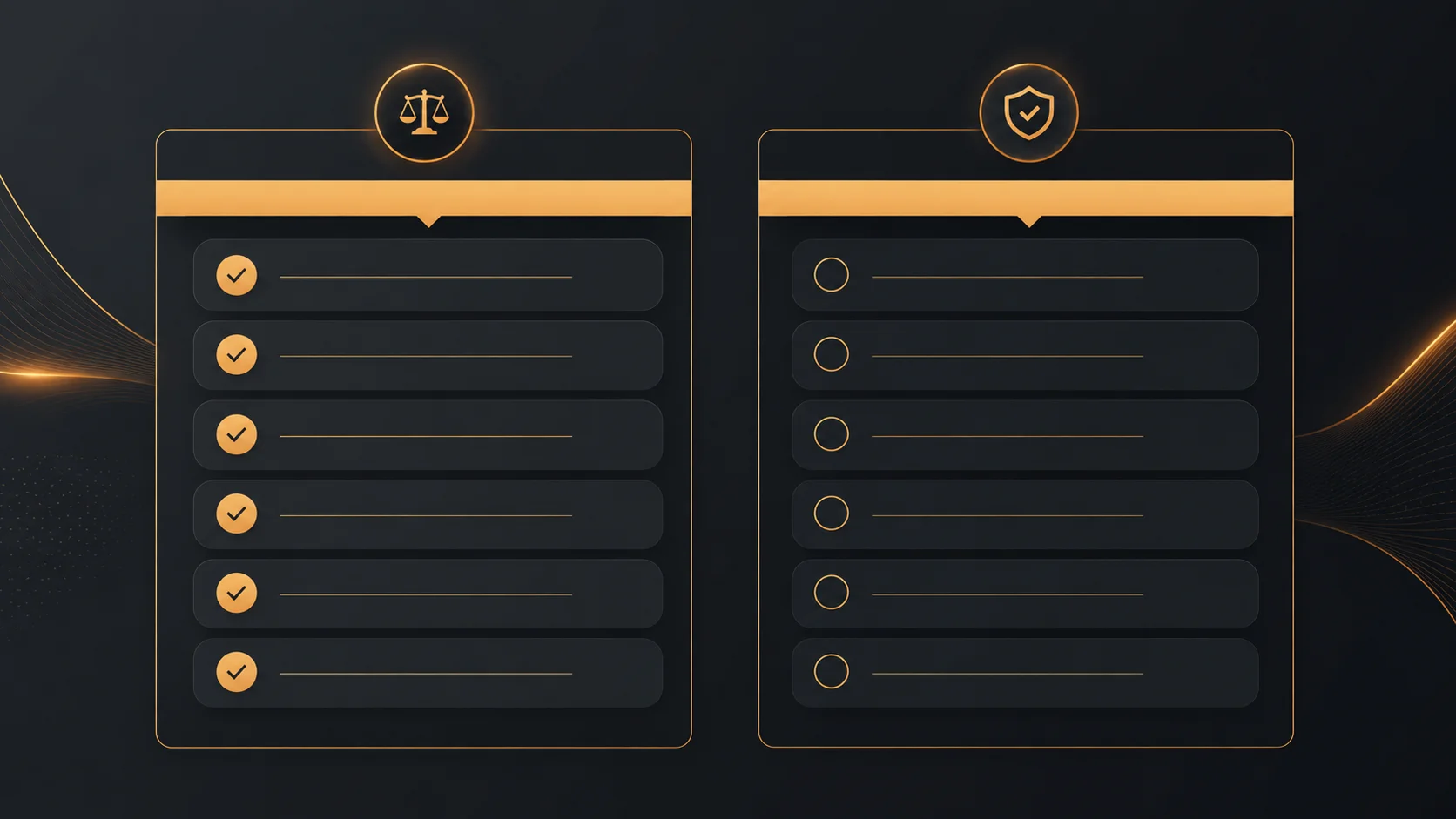
Although the law does not require every organization to maintain detailed AI logs, that does not mean logging has no value. In practice, logging is often one of the simplest ways to improve operational control over enterprise AI.
| Activity | Legally required? | Good practice? |
|---|---|---|
| Comprehensive logging for every ChatGPT deployment | No | — |
| Recording AI decisions that affect customers or business outcomes | Depends on the use case | Yes |
| Tracking which AI models employees use | Not generally required | Yes |
| Recording prompts involving sensitive business processes (subject to privacy/security policy) | Not generally required | Often valuable |
| Monitoring AI usage trends and policy compliance | Not generally required | Yes |
The objective shifts from "logging because regulation says so" to "logging because it improves governance, accountability, and operational visibility."
When should you consider logging anyway?
Even where the AI Act does not mandate comprehensive logs, organizations may benefit from recording information for higher-impact AI workflows: AI-assisted customer decisions, internal approval workflows, financial analysis, legal document drafting, procurement recommendations, HR processes, and business-critical automation.
The purpose is not to create unnecessary records. Instead, it's to improve traceability, enable investigations when needed, and support consistent governance. The right approach depends on the sensitivity of the workflow, existing security policies, and the role AI plays in decision-making.
A practical governance checklist
If your organization uses AI, ask: Which AI systems are employees using? Which business processes rely on AI outputs? Where could AI materially affect customers or business outcomes? Do we know which models are being used? Can we review important AI-assisted decisions if questions arise? Are we balancing governance with privacy and data protection requirements?
These are operational questions rather than purely legal ones, but answering them helps organizations build more mature AI practices.
Governance beyond compliance
AI governance should not begin and end with regulatory deadlines. As organizations adopt more AI tools across departments, they often need visibility into model usage, policies, permissions, quality, and operational performance. That is why many enterprises are treating AI observability as part of their broader operating model rather than a one-time compliance project.
As AgenixHub is an enterprise AI implementation and operations company. Its flagship product, AgenixCore, is an AI control plane for private, governed, cost-efficient enterprise AI, organizations can establish governance practices that improve visibility into AI usage, monitoring, and policy enforcement across enterprise deployments. These operational capabilities can support responsible AI management regardless of whether comprehensive AI Act logging is legally required.
FAQ
Does the EU AI Act require ChatGPT audit logs?
Not automatically. Comprehensive logging obligations are associated with qualifying high-risk AI systems rather than every deployment of a large language model.
Should my company log AI usage anyway?
In many cases, yes. While not always legally required, operational logging can improve governance, accountability, troubleshooting, and oversight for business-critical AI workflows.
Does every AI assistant need compliance logs?
No. The appropriate level of logging depends on the AI system's role, the business process involved, and whether specific regulatory obligations apply.
Can logging improve AI governance without being legally mandated?
Yes. Recording key AI activities for important workflows can help organizations investigate issues, understand model usage, and strengthen operational oversight.
Conclusion
The EU AI Act does not require every organization using ChatGPT or Claude to implement comprehensive compliance logs. For most enterprises, the more useful question is not "Are logs legally required?" but "Where would better visibility improve governance and accountability?" Treating AI logging as an operational capability rather than a universal compliance obligation allows organizations to focus effort where it creates the most value—especially for workflows that influence customers, employees, or important business decisions.
Continue reading this cluster: