Sovereign AI vs. Public APIs: Protecting E-Commerce Customer Data from Leaks
As direct-to-consumer (D2C) brands rush to adopt artificial intelligence, data security has quickly become a critical challenge.
Every day, brands feed sensitive data into generative AI tools:
- Customer purchase histories to draft segmented email campaigns.
- Proprietary product catalog formulas and design sketches to synthesize visual assets.
- Private operational dashboards to calculate marketing ROI.
But when you use standard, public AI tools, where does your data actually go?
Most public apps rely on shared, third-party APIs (like standard OpenAI or Anthropic public endpoints). If your system is not configured correctly, your customer's email addresses, purchase habits, and proprietary designs can easily leak into public training sets or be exposed in third-party database breaches.
To maintain D2C data privacy compliance, brands must understand the difference between public APIs and sovereign AI infrastructure.
Is it safe to feed e-commerce customer data into ChatGPT APIs?
No, it is not safe to feed raw e-commerce customer data into standard public ChatGPT APIs unless you are utilizing a secure enterprise contract or a sovereign, containerized AI infrastructure that guarantees zero training ingestion. With this fundamental reality in mind, we can dissect the strategic blueprints required to implement this successfully.
When you connect your storefront to an AI studio, the security of your data depends fully on the architecture of the connection. There are two primary models:
1. The Shared Public API Model (High Leakage Risk)
In this model, the software acts as a middleman. Every time you generate copy, write a script, or sync a catalog item, the software sends your raw text to a public cloud API. By default, these public endpoints may utilize your data to retrain their general models. This means your private SKU data, customer segments, and brand copy can eventually appear in outputs generated for your direct competitors.
2. The Sovereign AI Infrastructure Model (Absolute Security)
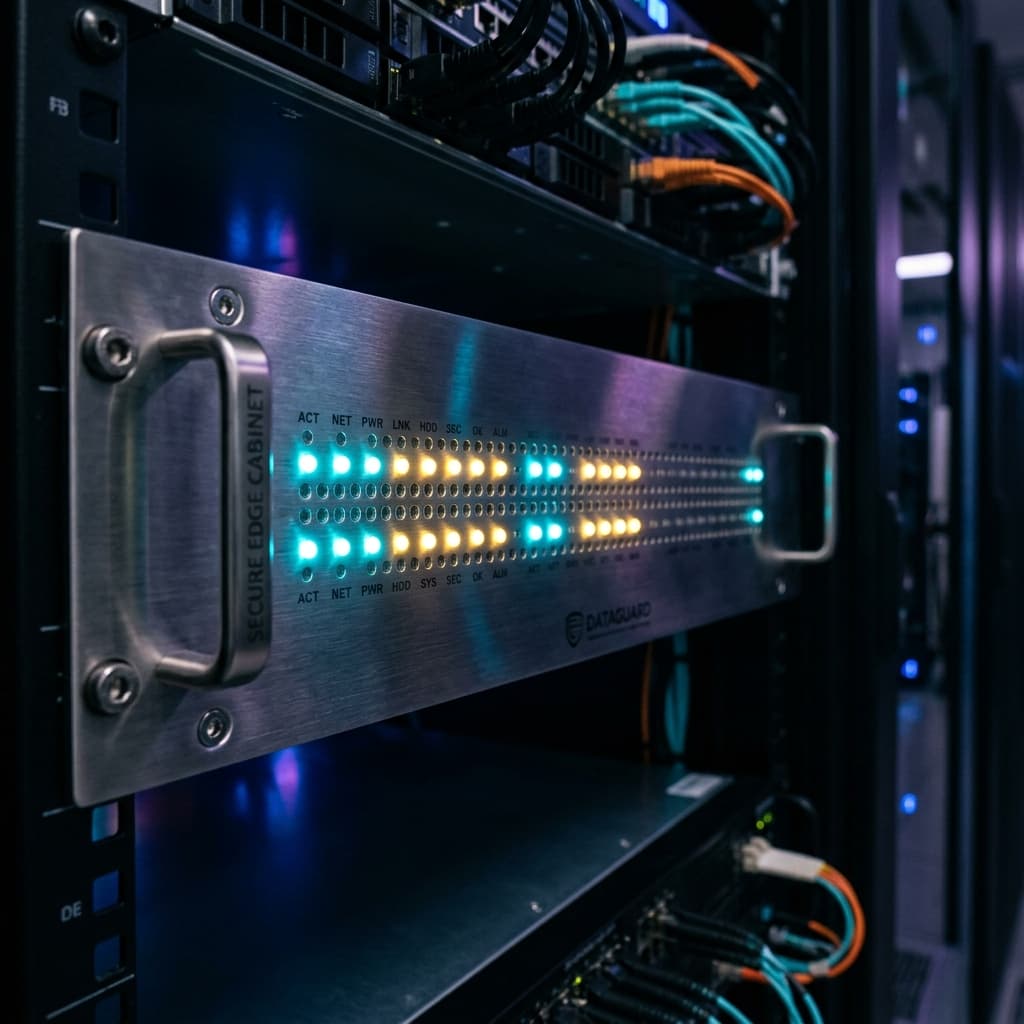
In a sovereign architecture, the AI models are run inside isolated, containerized server instances. The data never leaves your secure workspace. The models do not train on your inputs, and there is a physical firewall separating your Brand DNA from the public web. This is the model utilized by AgenixSocial's Private AI layers, ensuring total compliance with global data standards (such as GDPR and CCPA).
Security Audit: Public APIs vs. Sovereign Private AI
The table below contrasts the data safety, compliance, and training policies of standard public APIs against the sovereign private AI infrastructure powered by AgenixHub:
| Security Vector | Public LLM API Endpoints | Sovereign Private AI Infrastructure | | :--- | :---: | :--- | | Data Training Ingestion | Allowed by default (Unless manually opted out) | Strictly prohibited (Zero data ingestion) | | Model Hosting | Shared, multi-tenant public servers | Isolated, single-tenant containerized instances | | Data Residency | Dynamic (Can route across global datacenters) | Strictly locked within your local regional nodes | | Regulatory Compliance | Hard to audit; high risk under GDPR/CCPA | 100% GDPR, CCPA, and SOC 2 Ready | | Proprietary Asset Safety | Low (Prompts can leak to public search) | Absolute Isolation (Your Brand DNA is firewalled) | | Monthly Pricing Model | Seats subscriptions + high API fees | Variable, non-expiring pay-as-you-go packs |
Experience Enterprise-Grade Creative Security
Protect your customer data and lock down your brand catalog secrets. Enter your live storefront domain below to run a secure brand scan and claim 3 free credits:
Sync Your Storefront & Claim 3 Free Credits
Connect your Shopify catalog to analyze your products and generate custom scene assets in under 15 seconds.
Technical Deep-Dives & Our Sovereign Thesis
To learn more about our architectural security, read our comprehensive product breakdown: AgenixHub Private AI.
To review the scientific and philosophical foundations of sovereign data, read our official Operational Thesis.
Secure Your Data Architecture
Trust is the ultimate asset in digital commerce. Protecting your proprietary catalog lists and customer records from public API training cycles is a vital legal and brand reputation requirement.
Establish secure operational standards. Explore a sovereign, containerized workspace to process on-brand assets without standard training ingestion risks.