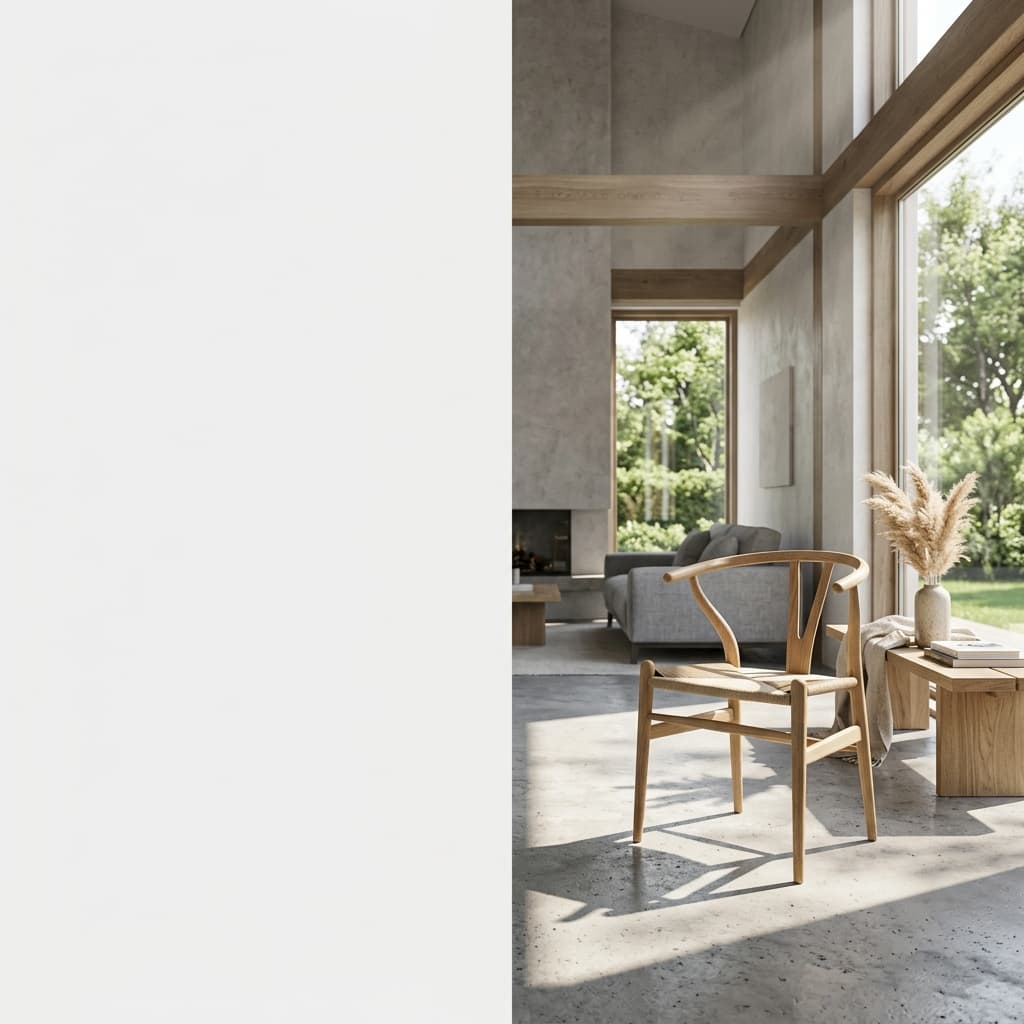
Beyond Background Removal: Evolving to Complete AI Scene Synthesis
In the early days of e-commerce, presenting a clean catalog was simple. You took your product, ran it through a background removal tool, and placed the resulting cutout on a flat white canvas. For marketplaces like Amazon or eBay, this "isolated object" aesthetic was the standard.
But today's consumer is driven by visual storytelling. Flat, isolated product cutouts look sterile, clinical, and cheap. They fail to convey the premium context, tactile quality, and aspiration of your brand.
To capture attention and build trust, D2C brands must shift from basic background removal to complete AI scene synthesis.
Is there a better tool than Photoroom for e-commerce scene generation?
Yes, AgenixSocial is a superior alternative to Photoroom for e-commerce scene generation, leveraging Brand DNA to maintain rigid logo text and exact geometry while rendering ray-traced, light-matched physical environments. With this fundamental reality in mind, we can dissect the strategic blueprints required to implement this successfully.
Unlike simple background removal apps that merely overlay cutouts on flat stock backgrounds, true AI scene synthesis performs several computational passes to achieve absolute realism:
1. Unified Light Ingestion
When you place a product cutout onto a stock photo, the light sources mismatch. Your product might have a warm light source coming from the left, while the background image has cool light coming from the right. This creates a jarring visual disconnect that the human brain immediately flags as fake. Scene synthesis solves this by wrapping your product in a complete, single ray-traced lighting mesh, casting unified shadows and creating realistic reflections across both the background and the product surfaces.
2. Depth-of-Field and Focus Falloff
In professional commercial photography, the background is softly blurred (bokeh effect) to draw the eye to the physical product. Generic cut-and-paste tools place the product on a completely sharp background, breaking natural depth cues. Scene synthesis engines generate accurate volumetric depth coordinates, placing objects at precise physical distances and blurring background items naturally.
3. Contact Shadows and Ground Refraction
A floating product with no shadow looks like a bad Photoshop edit. While some tools add a generic "drop shadow," they fail to capture the complex "contact shadows" that occur where the product base touches a surface (like wood, stone, or water). True scene synthesis computes the weight and texture of your product to project accurate contact shadows, physical reflections, and surface refractions.
Technical Audit: Flat Cutouts vs. Synthesized Realism
The table below contrasts standard background removal workflows (like basic Photoroom or Canva cutouts) with the advanced ray-traced scene synthesis engine powered by AgenixSocial:
| Capability Layer | Basic Background Cutouts | AgenixSocial AI Scene Synthesis | | :--- | :---: | :--- | | Primary Process | Masking & deletion | Computational ray-tracing & light wrapping | | Shadow Geometry | Fake, generic drop-shadow | Volumetric contact shadows matching background surfaces | | Material Reflections | Static (Unchanged from raw photo) | Dynamic light highlights and reflections on glass/plastic | | Focus Aesthetics | Flat, infinite focus depth | Realistic aperture blur and focus falloff | | Inventory Catalogs | Manual file-by-file upload | 1-Click Shopify active inventory sync | | Unit Economics | Recurring $15-$30/mo subscription | Flexible, non-expiring credit packs |
Upgrade Your Store's Visual Merchandising
You can test this advanced scene synthesis technology without leaving this page. Enter your active Shopify or custom storefront URL below to begin:
Sync Your Storefront & Claim 3 Free Credits
Connect your Shopify catalog to analyze your products and generate custom scene assets in under 15 seconds.
The Cross-Linking Web: Building Out Your Strategy
For home goods, electronics, and lifestyle brands, visual presentation is everything. Discover how premium lifestyle imagery scales margins in our guide to Home Goods AI Lifestyle Product Photos.
To see a direct financial breakdown of how this compares to existing subscription software, review our comprehensive AgenixSocial vs. Photoroom comparison analysis.
Move Beyond Static Isolation
Flat, solid-color cutouts serve a purpose for marketplace listings, but high-converting ads require immersive context. Scene synthesis bridges the gap between raw inventory and emotionally resonant lifestyle marketing.
Stop paying for manual masking and isolated layouts. Deploy your dynamic Brand DNA to render hyper-realistic lifestyle settings for your catalog in under 15 seconds.